Short answer: in Long Beach, a foundation is not just held up - it is held steady on ground that has already moved. The harbor district sits on fill and alluvial fans that have been settling for decades, and the same low-lying, near-shore setting means the flats rest on fill that can liquefy when shaken hard. On a flat lot that looks easy, the real work is keeping a slab from floating or pumping in the soft spots; on anything structural, the question is not whether you need a soils report but which engineer will read it. Before a single yard is placed, we figure out what the dirt under your address actually does when it gets wet.
This is the difference between a permitted, engineered foundation and a cash slab crew on this ground: a foundation in Long Beach has to survive subsidence, liquefaction risk, and flat-grade drainage all at once, and each of those is invisible from the street.
The harbor subsidence you do not see from the street
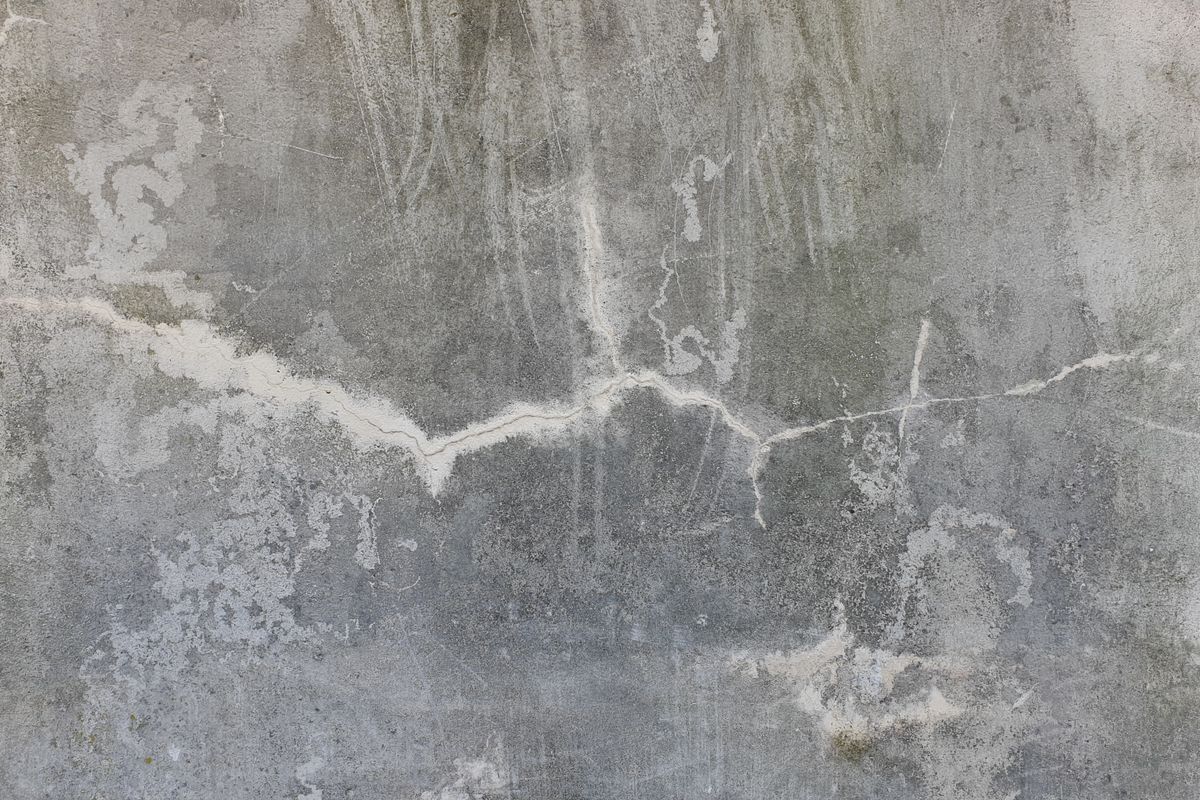
Long Beach's harbor area was built on bay fill and alluvial fans that have been consolidating for generations - the ground itself settled for decades as the land was reclaimed and as the Harbor Department's land was loaded with port structures. A house on the flats near the water table rides that same legacy settlement, and what shows up as a hairline crack diagonal across a living-room drywall is usually the slab riding a base that is still moving, not a one-time heave. On a re-pour or an addition over an older footing, we map the existing settlement pattern before we design - because pouring a new, rigid slab over a pad that is still dropping just gives a new slab the same crack to repeat.
Liquefaction risk, and why it changes the detail
Where the inland basin soil is expansive clay, Long Beach's near-shore ground brings a different failure: liquefaction. The California Geological Survey maps these hazard zones, and the practical consequence is that a shallow footing in a high-risk cell needs a denser, deeper section or a stiffened mat slab - not because an earthquake happened, but because the ground can lose its strength and let a footing settle or tilt. That is not a per-square-foot number; it is a bearing-capacity call the soils report makes, and it is why we will not quote a structural foundation on this site until the report is in hand. A slab-on-grade over sound ground is one job; a slab over a liquefaction cell is another.
The hillside and cut-and-fill parcels that are not on the flats
Away from the waterfront, the streets climbing toward the Signal Hill ridge are cut-and-fill lots where a driveway or a garage slab butts up against engineered fill that was not tested to spec. There the failure mode is a slab that sits half on native ground and half on fill, and the two halves settle differently until the joint between them opens up. A foundation here has to tie across that seam with the right reinforcement, or it will crack where the fill meets the original grade. We do not assume the pad is uniform on a hillside parcel; we find the original-ground line and build to it.
Flat-grade drainage, because Long Beach does not drain by itself
The Pine Avenue corridor and the shoreline neighborhoods sit low, and flat ground holds water instead of shedding it. A foundation slab has to be set with a real fall so that the grade directs water away from the footings and not toward the slab edge, and any porch or approach slab has to tie into the city's storm drainage rather than fighting it. On a repair, that means checking the existing grade and the swale that was supposed to carry runoff off the site before we decide whether we are re-pouring to the same elevation or re-building the fall. A slab that holds water is a slab that will pump and settle, and on this ground that is the slow version of the same settlement problem.
What a Long Beach foundation job actually costs
Square footage is the last thing that moves the number here. What actually drives a Long Beach foundation bid is the ground condition (a liquefaction cell or a still-settling fill pad demands a deeper, stiffer, more expensive section), the site access and grade (lots on the flats are cheap to reach but may need dewatering if the water table is high; the hillside cuts need a pump line), the soil report and engineering (on anything structural, the soils engineer's bearing-capacity and expansion-index numbers set the footing), and the permit path (foundation work runs through the City of Long Beach's Community Development Department, and the seismic and structural code used here is the same Southern California standard enforced across the basin - with the city's own counters setting the thresholds and inspection milestones). A firm bid follows the report and the plan, not a per-square-foot phone figure.
Permit the right city, build to the inspection
We pour foundations across Long Beach and the harbor-area towns, and each city runs its own counter for concrete work. The City of Long Beach issues permits through its Community Development Department, and the harbor-edge details - dewatering, fill certification, stormwater discharge - are where Long Beach-specific experience saves a rework. Whatever the scope, we secure the permits up front and stage our build to each inspector's timeline, so an addition, a slab, or a footing comes out documented and clean rather than discovered under a future buyer's inspector.
Starting a foundation job in Long Beach
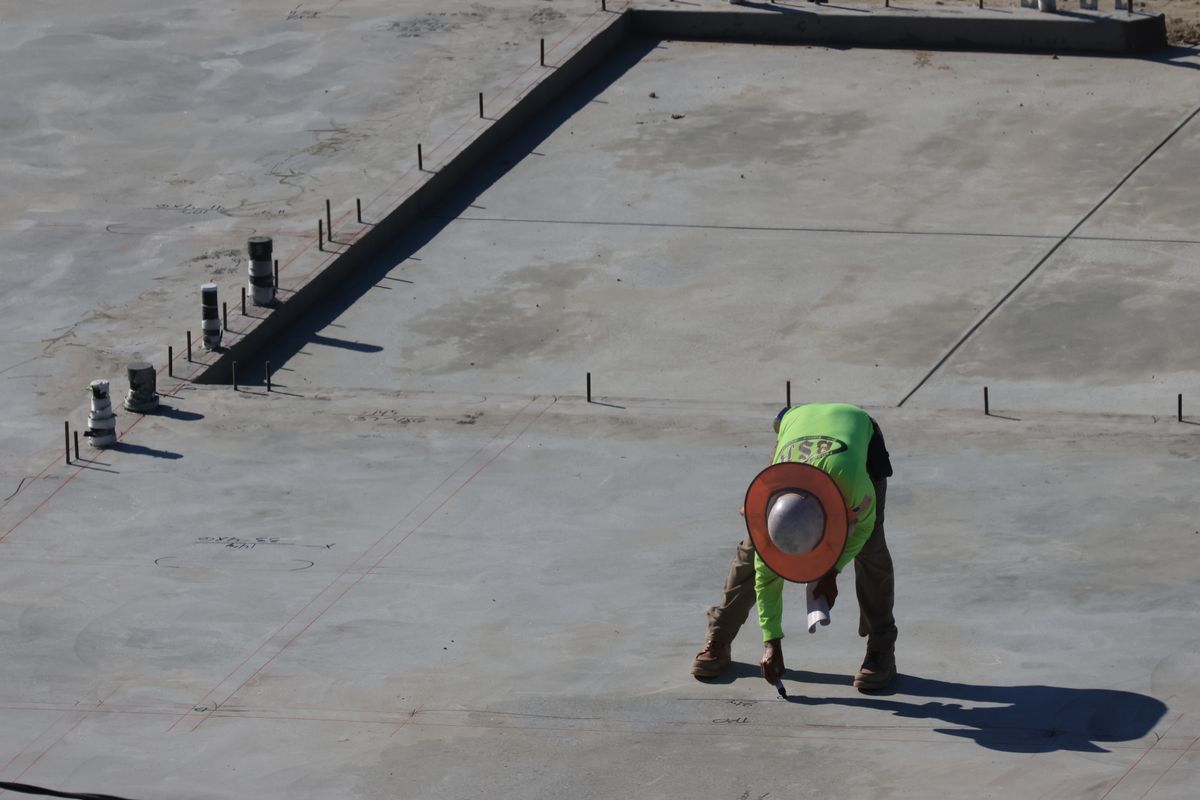
Send a photo of the site through the form, and we will tell you straight up whether you need a soils report before we quote, which permit desk the work goes through, and whether the ground under your lot is in a liquefaction cell or still settling. For almost every structural foundation in Long Beach - a new footing, an addition, a garage or ADU slab over fill - the right first step is a site visit where we read the grade, the access, and what the ground does when it gets wet, then give you a firm written bid for the real scope. As you plan, it helps to see how a foundation relates to the slabs and flatwork under a new addition, and how retaining walls on a cut-and-fill lot change the structural picture - bring us the site details and we will show you the scope that actually fits.