Los Angeles is not one concrete market - it is several, and your bid depends on which one your property is in
The pour that is right in one corner of the city works in none of the others. Short answer: the number on your bid is decided less by the concrete and more by which LA your property is in. The flat Valley block, the tight Westside lot, the hillside street above Echo Park, and the low-lying harbor neighborhood are four different jobs before a single yard is placed, and a crew that prices them all off one citywide average is pricing to guess. Here is how the city actually divides for concrete work, and what it means for your driveway, patio, slab, or wall.
Los Angeles is really five or six concrete markets wearing one city name
Here is a reliable tell that a city is several distinct regions rather than one: it has more than one high school. Los Angeles has dozens, and they map onto genuinely different ground. The west Valley schools sit on the same clay-bearing Valley floor that bakes in summer and swells with winter rain. The Eastside schools climb the hills and cut-and-fill lots above the river. The South LA schools sit on older, heavily established blocks full of 1950s slabs that are now cracking and settling. The harbor schools at San Pedro and Wilmington stand on low, near-shore ground with its own subsidence and liquefaction history. That is the whole job in one sentence: we build the base and the detail to the ground under the specific school district, not to a map of the city as one flat lot.
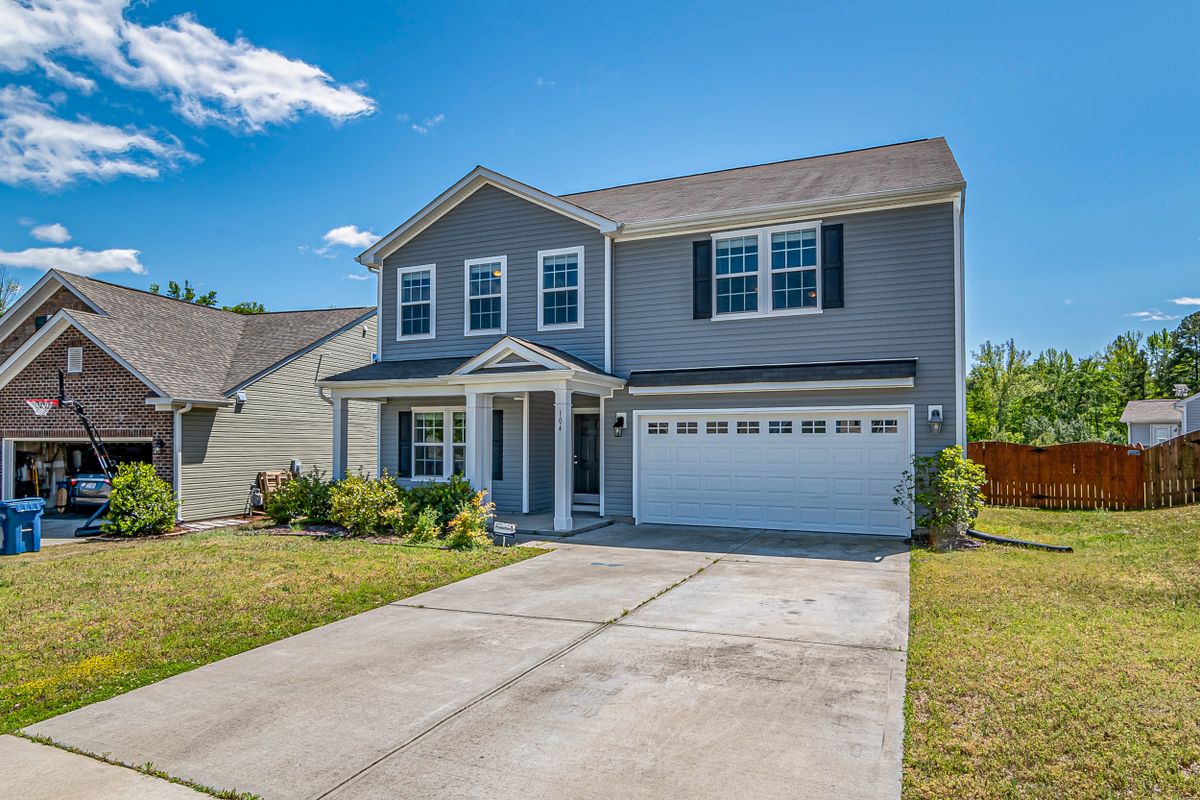
The neighborhoods read the same way. A Valley driveway in Encino or Sherman Oaks is poured over the same clay that cracks a thin slab in a couple of seasons if the base is skimped. A Westside patio in Mar Vista or Palms threads between the house and a zero-lot-line fence and has to fall away from the slab on a lot too tight to think about. An Eastside hillside project in Mount Washington or Echo Park is a cut-and-fill problem that needs a geotechnical read and, often, deepened footings. A South LA repair is frequently a 1950s or 1960s slab on a base that was never built to take this ground. One city, five different soils and access stories, and a bid that does not separate them is a bid that is not honest yet.
The City's permit desk treats your project differently depending on which LA it is in
Most residential flatwork in Los Angeles - a straight driveway or patio re-pour on the same footprint - clears quickly and often over the counter. The work that changes is the work that touches the structure, the public right-of-way, or a slope, and that is where knowing which LA you are in matters to the calendar as much as to the price.
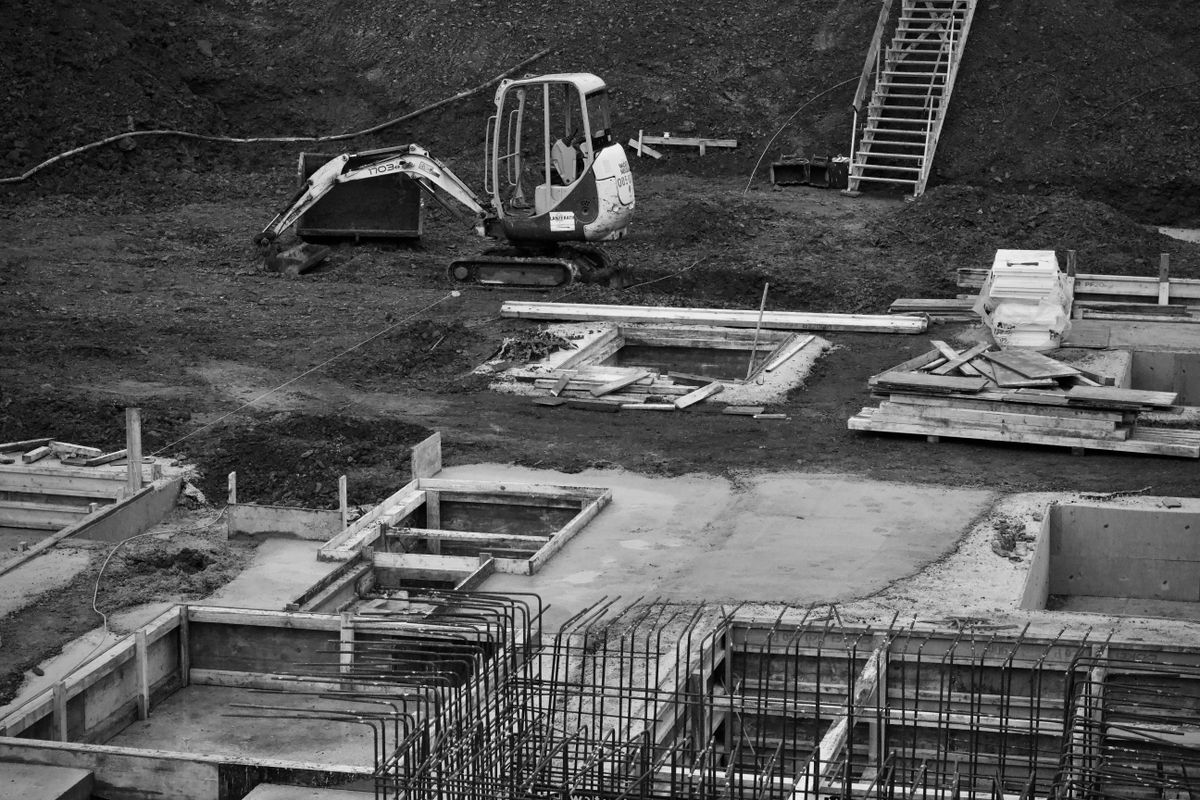
On the hillside lots of the Eastside and the Hollywood Hills, the City's hillside grading rules apply to cut-and-fill. A property that is partly dug into a slope and partly built on engineered fill needs a grading permit and, almost always, a geotechnical report before the engineered plans go in. That is not a box to check; it is the document that tells the engineer how deep the footings have to reach to competent ground and how the water behind any retaining element is handled. It adds weeks to a project, which is exactly why a hillside job is not quoted like a flat one.
On the flat blocks of the Valley, Westchester, and Mar Vista, the same driveway is close to a standard pour - but the city's stormwater program still cares where a new slab sends the water. More on that in a moment.
The 500-square-foot line that changes a patio or driveway project
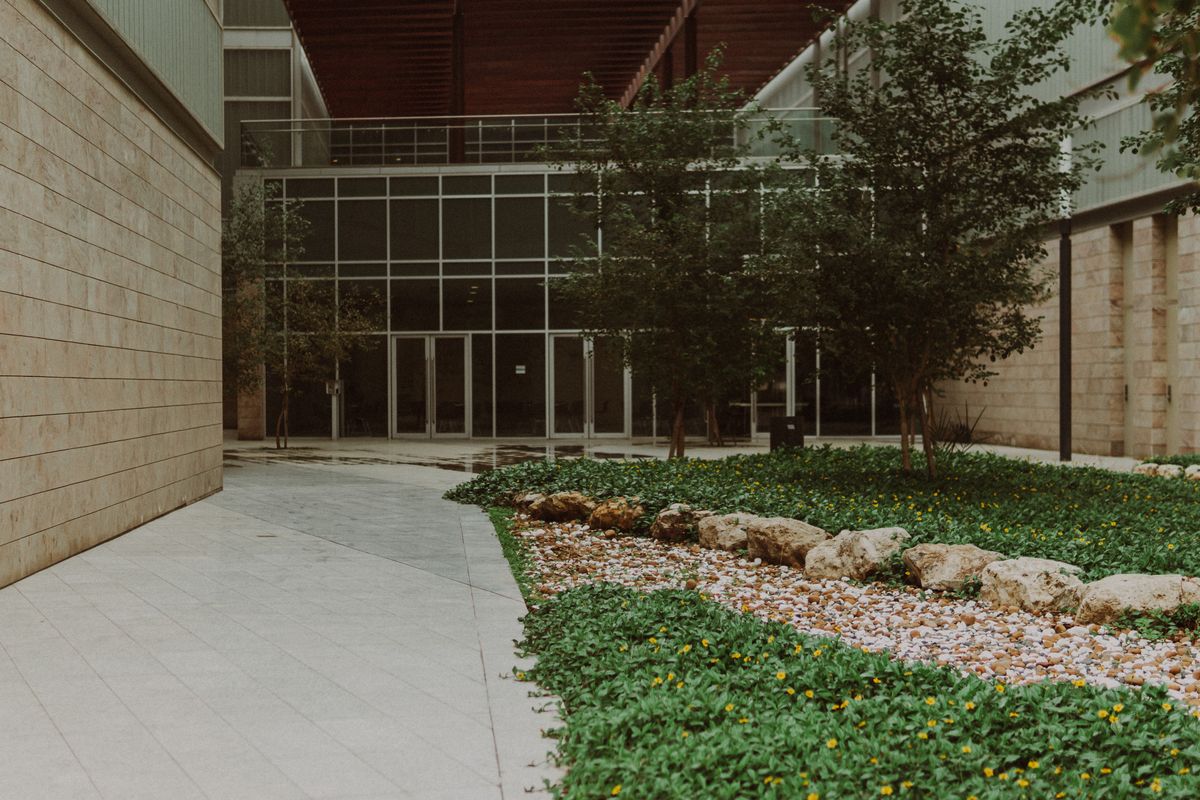
This is the LA detail most quotes never bring up, and it is the one worth understanding before you size the slab. The City of Los Angeles stormwater rules apply to projects that create, add, or replace more than 500 square feet of impervious area. Below that threshold, a small residential project is generally outside the ordinance. Above it, the project is expected to keep that stormwater on site rather than sending it straight to the street - the standard is met with ordinary landscape hardware: infiltration, permeable paving, planter areas, a dry well.
Two practical things follow. A patio of 450 square feet and one of 550 square feet are not simply a hundred feet apart in price - they can be different kinds of project. And because the threshold counts area that is created, added, or replaced, whether it applies depends on what is under the slab today, not on its final size. Replacing an existing patio is closer to a wash; pouring new slab over what used to be lawn is adding impervious area, and that is the version the rules reach. Check the current threshold with LA Sanitation's stormwater program before finalizing a layout - these numbers are revised periodically.
The sidewalk in front of your house is your job - with a City program that can help
Under California law, the upkeep of the sidewalk strip in front of your lot sits with you as the fronting owner, and a raised or split panel is a trip hazard that exposes you to liability. In Los Angeles there is an important wrinkle: where a City street tree's roots did the lifting, the City's sidewalk repair program offers a repair and rebate track that can help or cover the work, and the current terms live with the Bureau of Engineering. The terms have changed more than once, so checking them before you pay for the work outright is worth an hour.
The repair itself is not free-form flatwork. A sidewalk in the right-of-way has to be built to the City's spec - width, thickness, cross-slope, scoring, and ADA-compliant transitions at driveways and corners - and it needs an A-permit from the Bureau of Engineering, not a building permit from LADBS. It is a different counter than the one you use for a patio, which is exactly how homeowners end up sent in circles on this one. A crew that does right-of-way work regularly knows which desk it goes to and builds to the inspection.
Which LA you are in moves the bid more than the square footage
- Access. A flat Valley lot on a wide street is the cheap case - the truck backs to the forms. A hillside lot in Silver Lake or Echo Park where concrete comes down a pump line, or a Westside yard reachable only through a narrow side gate, adds real hours to both ends of the job.
- Soil. The basin's expansive clay swells wet and shrinks dry; the harbor ground has its own subsidence history; the hillsides sit on cut-and-fill that settles unless compacted and tested. Each wants a different base and reinforcement.
- Demolition. A South LA or older Eastside slab from the 1950s or 1960s can be thick, reinforced, and laborious to break out and haul.
- Permits. Structural, right-of-way, and hillside work carries real plan-check and inspection timelines that a flat-lot re-pour never sees.
We check the parcel - the district, the soil, the access, and the permit path - before we quote, and we name the one you are in so you know the bid is built for your actual project. Whether it is a driveway, a patio, a foundation, or a sidewalk repair, start with a site visit and a firm written bid for the LA your property is in.