Short answer: in Los Angeles the foundation is not decided by the house, it is decided by the dirt under it. The same slab detail that is fine on the sandy loam of the South Bay will crack a house apart on the expansive clay of the basin, and a footing that works on a flat lot is the wrong footing on a hillside cut-and-fill parcel. Before anyone quotes you a number, the honest question is not “how thick is the slab” - it is “what does the soil under this address do when it gets wet.”
This is the part of a foundation job that separates a permitted, engineered pour from a cash driveway crew, and it is worth understanding before you sign anything.
Why LA ground moves, and why it matters more here than the earthquakes
Most people in Los Angeles worry about seismic movement and shrug off the soil. It is backwards. A properly engineered foundation rides an earthquake as one stiff, reinforced unit - that is what the rebar schedule and the tie-downs are for. What quietly destroys foundations across the LA basin is far less dramatic: expansive clay soil going through the wet-and-dry cycle every single year.
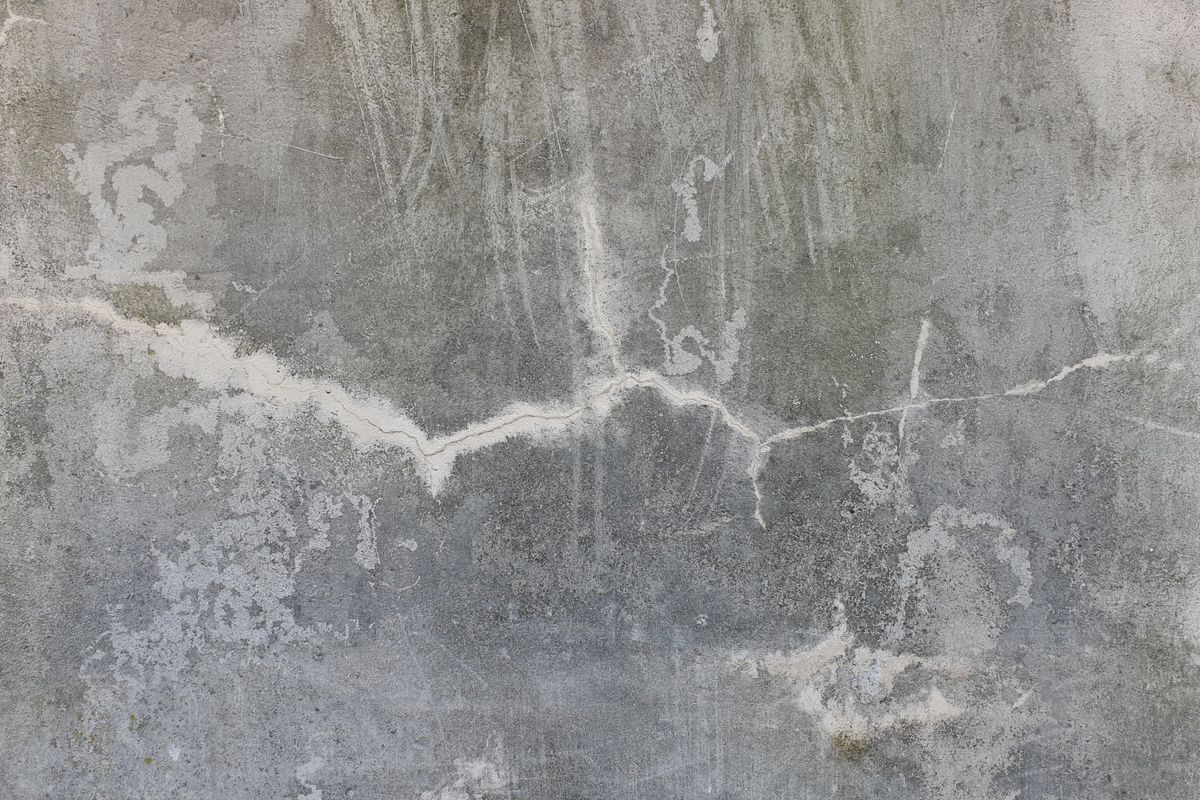
Large parts of the Los Angeles basin, the San Fernando Valley, and the inland areas sit on clay-rich soils that behave like a sponge. Through the winter rains they absorb water and swell, lifting whatever sits on them. Through the long dry summer they give that water up and shrink, and the ground drops. A slab sitting on that soil is pushed up under the wet edges and left unsupported over the dry middle, or the reverse, season after season. The California Geological Survey documents the region's soil and seismic hazards in its public hazard mapping, and the practical consequence shows up as the diagonal cracks over doorways and the sloping floors that so many older LA houses have.
The number that captures how badly a soil does this is its expansion index, and it is exactly what a soils (geotechnical) report measures. A low index means an ordinary slab is fine. A high index means the engineer will call for a stiffened, post-tensioned, or grade-beam foundation designed to move as one rigid piece rather than flex and crack. You cannot eyeball this from the curb, which is the entire reason the report exists.
What a real LA foundation job actually involves
In order, this is the sequence a permitted foundation follows in the City of Los Angeles, and the milestones you should expect to see:
- Soils report. A geotechnical engineer samples the ground and returns the bearing capacity, the expansion index, and the specific foundation recommendations for the site. For a new foundation or a significant addition, the LA Department of Building and Safety generally requires it.
- Engineered plans and permit. A structural engineer designs the footing depth, stem walls, rebar schedule, and slab detail to that report, and the drawings go to LADBS for a permit. Foundation work without a permit is not a shortcut - it is an unpermitted structure that surfaces the day you try to sell or insure the house.
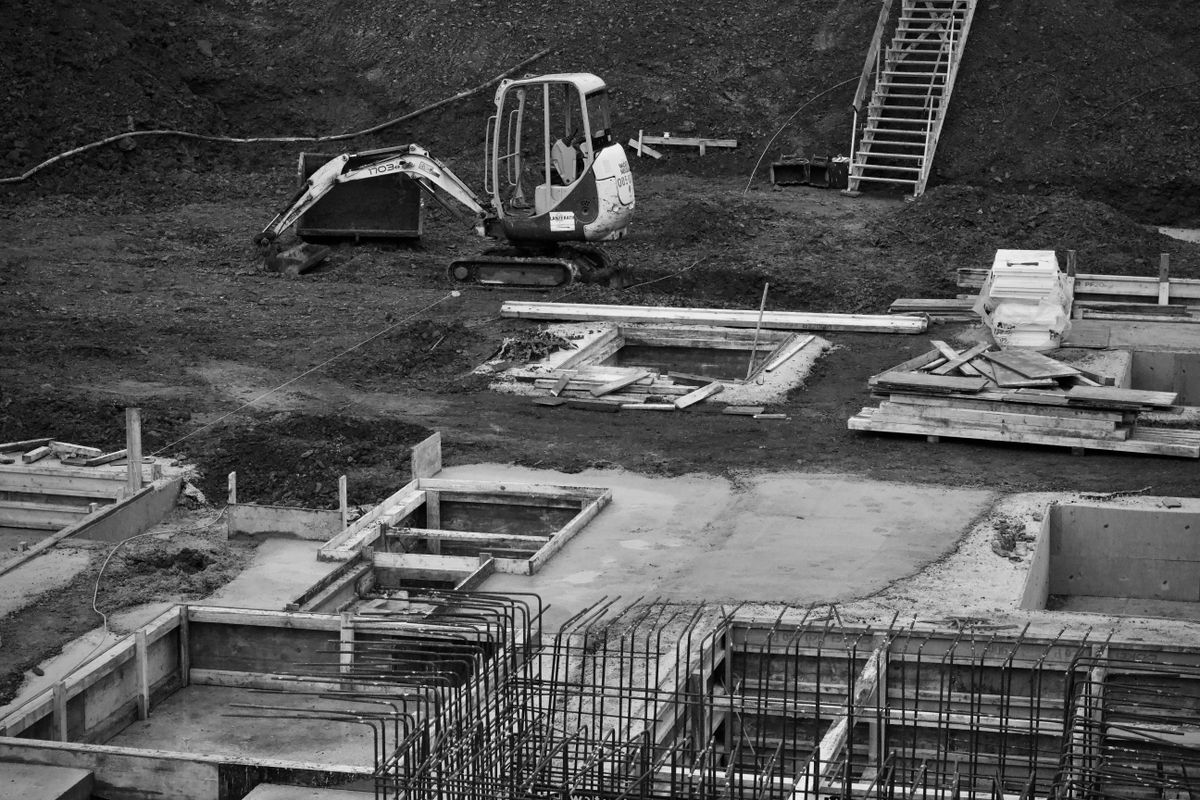
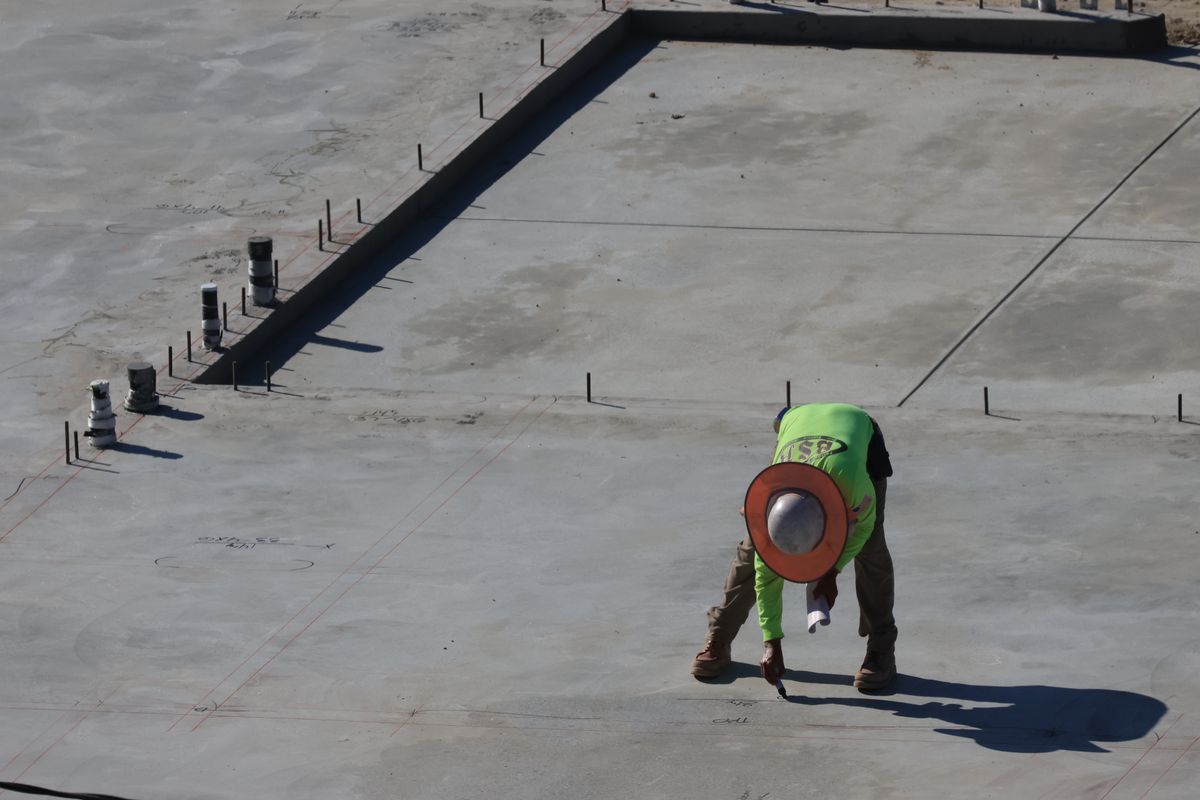
- Excavation and forming to the plan. Footings are dug to the specified depth and width, forms are set, and the grade is checked. On a hillside lot this is where cut-and-fill, keyways, and setbacks get built exactly as drawn.
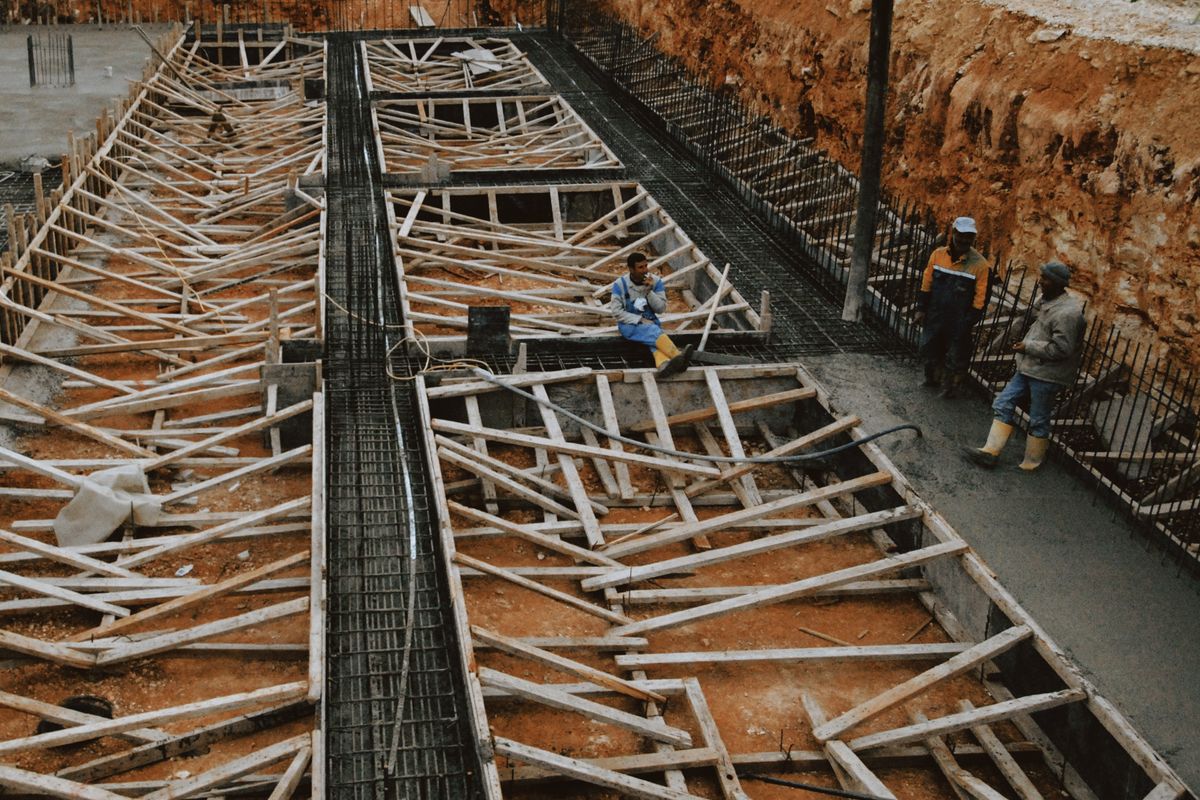
- Rebar and pre-pour inspection. The steel goes in on the schedule the engineer specified - size, spacing, and overlap - and a City inspector signs off on the reinforcement, the forms, and any embedded plumbing and conduit before a single yard of concrete is placed. This inspection is the whole ballgame; a crew that wants to pour before it happens is the crew to walk away from.
- The pour and the cure. Concrete is placed, consolidated, and finished, then kept damp long enough to reach strength. In LA's dry heat, curing is not passive - a slab that dries too fast on the surface is a slab that cracks, so it gets covered and kept wet through the critical window.
The hillside question
A large share of desirable LA - the hills of Silver Lake, Echo Park, Mount Washington, the Hollywood Hills, and the foothill edges of Glendale and Pasadena - is sloped, and a hillside foundation is a different animal. The house is partly sitting on original (native) ground and partly on engineered fill, and the two settle differently unless the fill was compacted and tested to spec. Caissons or deepened footings may be required to reach competent bearing soil, and the drainage behind any downhill retaining element has to be right or hydrostatic pressure does the damage the soil didn't. None of this is optional or improvised; it is engineered, permitted, and inspected, and it is why a real hillside foundation quote takes a site visit and a plan, not a phone estimate.
What moves the price
Square footage matters least. What actually drives a foundation number in Los Angeles is the soil (a high expansion index means a heavier, stiffer, more expensive detail), the access (a flat lot with a wide street is cheap to reach; a narrow hillside lot where every yard of concrete comes down a pump line is not), the depth and design the engineer specifies, and the demolition of whatever is there now. A firm bid follows the plan and the report. Anyone giving you a per-square-foot price before either exists is guessing, and the guess is always low until they are standing in your yard.
Where we work and how to start
We pour foundations, footings, and slabs across the city and the surrounding LA-area towns - from the Los Angeles core out through Pasadena, Glendale, Burbank, and the Long Beach and South Bay flats. The right first step is a site visit: we look at the ground, the access, and what already exists, tell you honestly whether you need a soils report and an engineer (for most new foundation work in LA, you do), and give you a firm written bid for the real scope. Start with a slab or retaining wall question and we will point you to what the job actually needs.