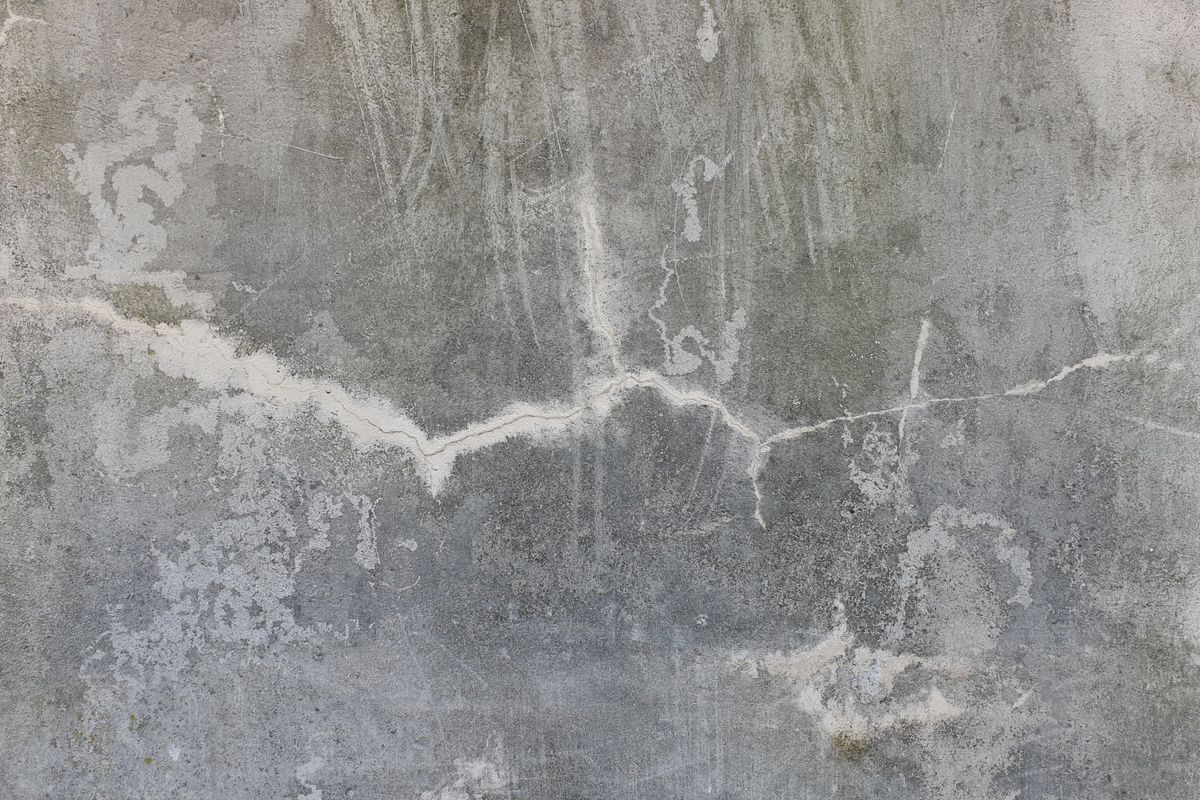
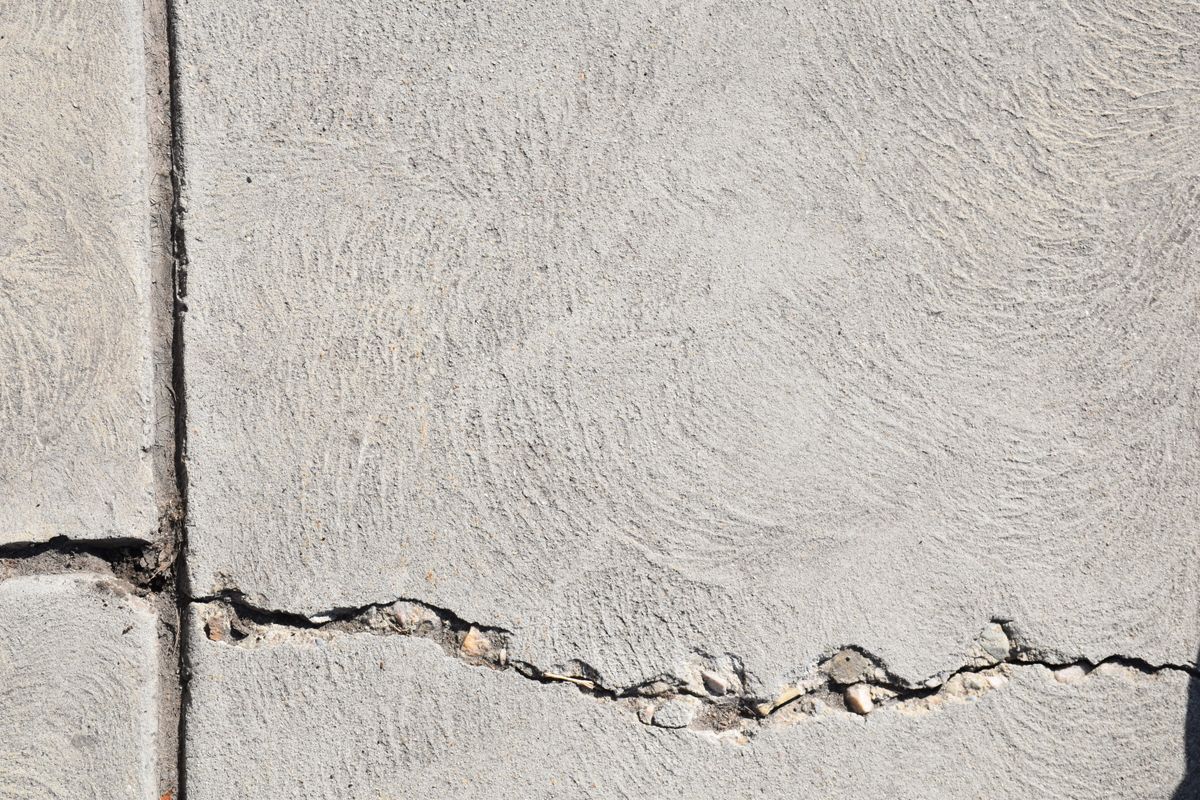
Short answer: in Burbank, most concrete repair is not about the concrete at all - it is about the ground under it and the tree roots beside it. The same Valley-floor clay that swells in the winter rains and shrinks through the long dry summer is what lifts a driveway panel, cracks a garage slab, and turns a flat walkway into a trip hazard. A crack that follows a control joint is the slab doing its job; a crack that wanders across the field, or a panel that has heaved an inch, is the ground moving underneath. The honest first step is figuring out which one you have, because the fix is completely different - and in Burbank, where the flat residential blocks meet the foothill streets and the ADU boom has put a lot of new slab on the ground, that diagnosis is the whole job.
Why Burbank concrete cracks and lifts the way it does
Burbank sits on the same clay-bearing San Fernando Valley soil that drives the base and reinforcement spec everywhere else on the Valley floor. That soil behaves like a sponge: through the winter rains it absorbs water and swells, lifting whatever sits on it, and through the dry summer it gives that water up and shrinks, dropping the ground back down. A slab poured on a thin, poorly compacted base has no way to ride that yearly movement, so it cracks - classically straight across the middle of a driveway or diagonally off a corner - and a panel that was poured over a high spot in the clay can heave into a ridge that is both a trip hazard and a place where water pools.
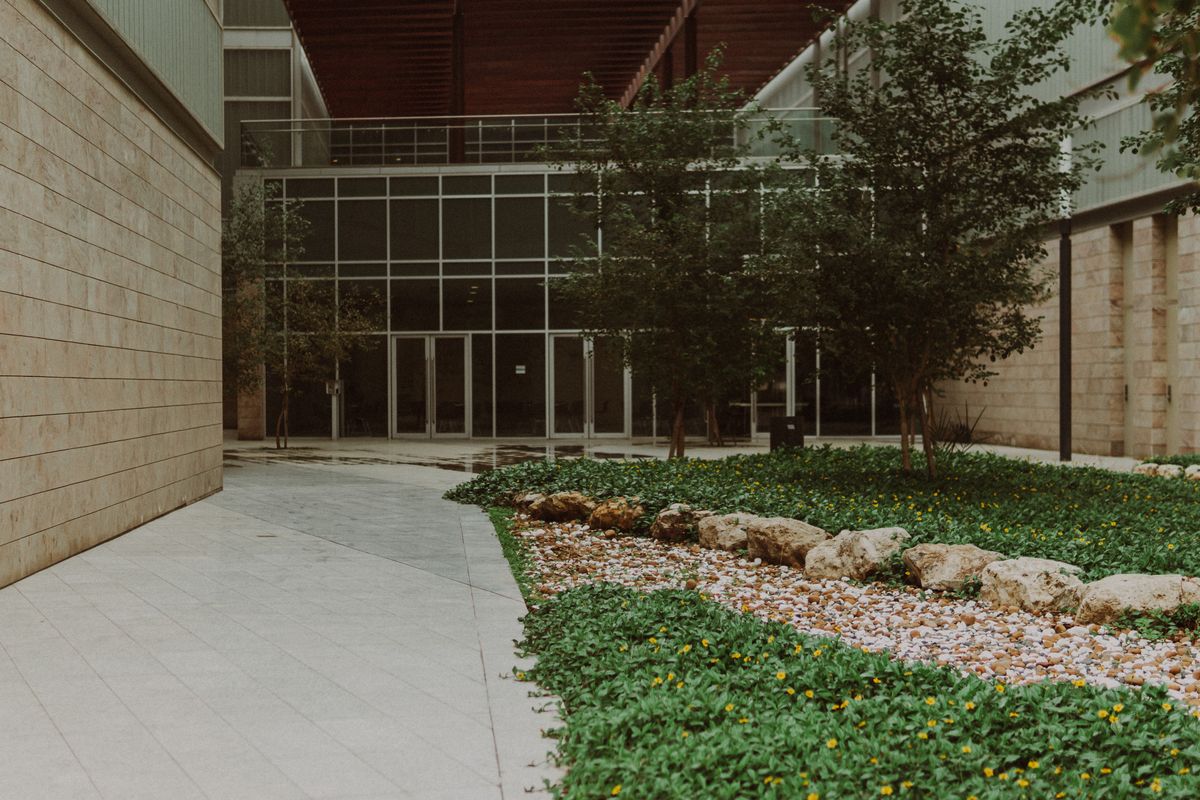
The second Burbank-specific cause is the street trees. The city's older residential blocks are lined with mature trees planted in the parkway, and their roots run straight under the walkway and the driveway approach. A lifted sidewalk panel in front of a Burbank house is frequently a tree-root problem, not a concrete-quality problem - and re-pouring the panel without addressing the root simply buys you a few years before the same panel lifts again. That is why we look at the cause before we quote a tear-out, and why we will say plainly when the honest repair is a root-aware replacement that rebuilds the base and keeps the root out, rather than a cosmetic re-pour.
The repair decision tree: grind, patch, lift, resurface, or replace
Not every cracked slab needs to come out, and the biggest mistake homeowners make is assuming the opposite - either that every crack is a tear-out, or that every crack can be sealed and forgotten. The real question is whether the slab is still structurally sound and whether the ground under it has stopped moving. Here is how we actually sort a Burbank repair:
- Grind. A lifted joint or a small trip hazard on an otherwise flat, sound slab gets ground down to a safe transition. This is the cheapest fix on the list, and for a single raised edge it is often the only one needed. It does not fix the cause, so we only recommend it where the movement has stopped.
- Patch and seal. A hairline or joint-following crack gets cleaned out and filled with a flexible polyurethane or silicone sealant. The point is keeping water out of the base, not making the line disappear - so expect it to still be visible. A wider crack in a slab that is otherwise flat and stable gets routed out to a clean V, backed with foam rod, and sealed; done well it holds for years.
- Slab-lift. A settled or heaved section can often be lifted rather than replaced. Polyurethane foam injected through small ports raises the panel back to grade in an afternoon - the right call when the slab itself is sound and the ground under it moved. This is where Burbank's clay really earns its keep: a panel that settled over a soft spot or heaved over a root is exactly the job slab-lifting fixes without a tear-out.
- Resurface. Concrete that is sound underneath but stained, spalled, or dated on the surface gets a micro-topping or overlay. This only works over structurally healthy concrete - if the base is failing, an overlay just cracks along with it, and we will say so.
- Replace. A slab that is cracked in several directions, rocking underfoot, or sitting on a failed base is past repair. Cutting out and re-pouring the affected panels is cheaper than paying twice, and on a driveway that is the resurface-or-replace call made honestly.
Two things to avoid, and they are the two most common ways Burbank homeowners waste money. First, the thin skim-coat overlay sold as a cosmetic fix over a moving crack - it telegraphs through in a season. Second, sealing a crack that is actively widening season to season without finding out why the ground is moving, because you will just be sealing it again next year on top of whatever is still going on underneath.
The ADU and garage-conversion angle, which is everywhere in Burbank right now
A large share of what we repair in Burbank now is tied to the backyard-unit and garage-conversion boom. New ADU slabs and garage floors are poured on the same Valley clay, and the two failure modes we see most are a slab poured too thin over an under-compacted base, and a garage floor that was never given a real joint plan so it cracks wherever it wants instead of along a saw cut. If you are repairing a garage or ADU slab, the same decision tree applies - but the fix is worth more than the concrete, because the slab is carrying a structure and a vehicle, not just foot traffic.
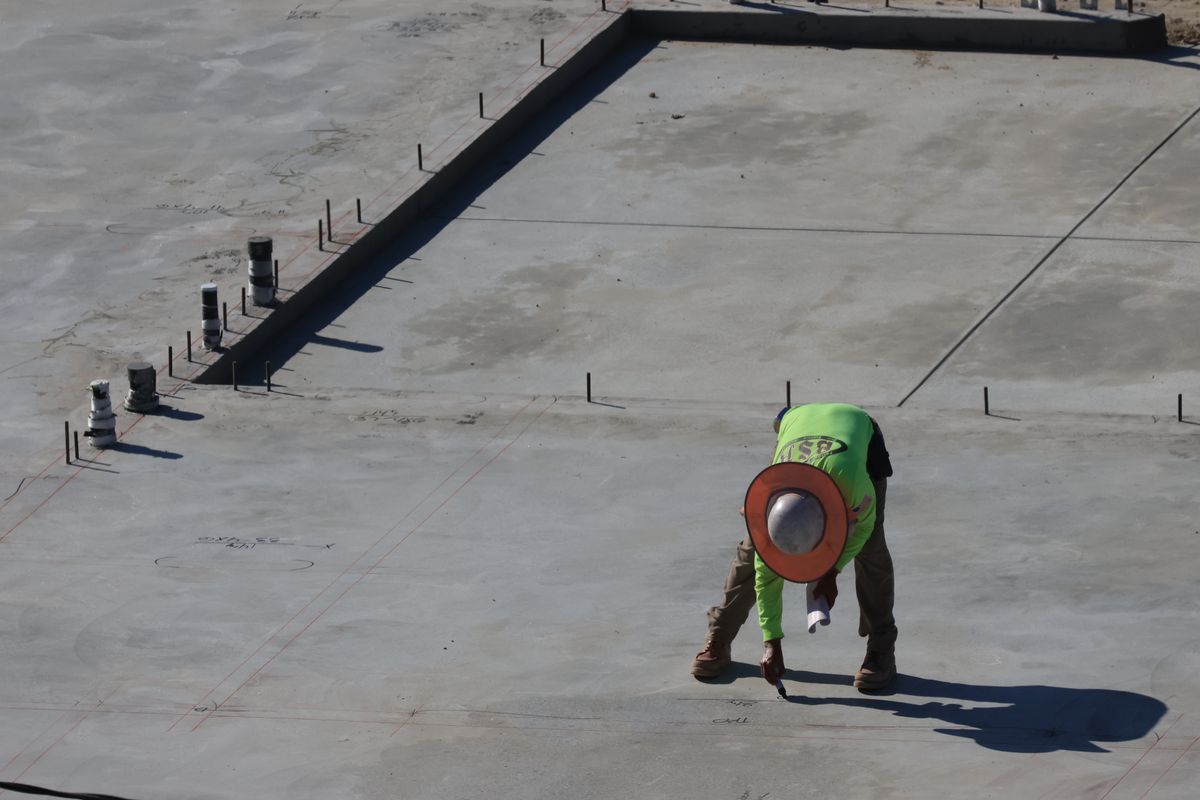
There is also a sequencing lesson that shows up in repair work. When a garage conversion or ADU is being built, the plumbing and electrical conduit have to be set and inspected before the pour, not chased afterward with a jackhammer. A repair that keeps getting re-done is often a sign the original pour skipped that step - and the honest fix is a proper re-pour over a rebuilt base, not another patch on top of the same mistake.
Hillside and foothill lots: where Burbank repair turns structural
Most of Burbank is flat Valley floor, but the streets that climb toward the hills are a different job. On a foothill lot, a cracked driveway or a settling walkway is often sitting on ground that is part native soil and part compacted fill, and those two halves do not move together unless the fill was built and tested to spec. A repair on that ground has to address the base, not just the surface, or the crack comes back with the next wet season. And where a hillside lot has a retaining wall holding back soil, a crack in the wall is a structural issue, not a cosmetic one - a wall retaining more than four feet of soil needs an engineered design and a City permit, and even shorter walls need proper drainage or they blow out. We will tell you straight when a repair needs an engineer and a permit and when it is a straightforward flatwork fix.
What a Burbank repair actually costs, and what moves the number
Repair pricing is not per-square-foot the way a new pour is, because the cost is driven by the diagnosis and the method, not the area. A grind is a small job with a small number. A slab-lift is priced by the number of injection ports and the access. A re-pour is priced like a small flatwork pour - and a one-panel job carries more fixed cost per square foot than a full driveway, because mobilizing a crew, a truck, and the forms for a single panel costs much the same as setting up for a whole pour. The single biggest swing factor in Burbank is access: a flat lot on a wide street is cheap to reach, while a narrow foothill lot where concrete has to come down a pump line or a buggy adds real labor. We give a firm written bid after a site visit, not a phone guess - because on a repair, the bid is only as good as the diagnosis, and the diagnosis needs eyes on the slab and the ground.
Permits and the City of Burbank
Most residential concrete repair - grinding a trip hazard, sealing a crack, slab-lifting a settled panel - is maintenance and does not need a building permit. What changes the answer is structure: a re-pour that changes the footprint or grade, a repair to a foundation or a structural slab, or a retaining wall holding back real soil. Those run through the Community Development Department of the City of Burbank, and structural detailing follows the same Southern California seismic code reflected in regional building standards. A public sidewalk repair out front is your responsibility as the fronting owner and has its own City spec to meet. We pull the permits for the work that needs them and build to the inspections - that is part of what separates a licensed crew from a cash repair.
Starting a repair in Burbank
Whether your issue is a crack, a lifted panel, or a trip hazard, send us a photo through the form on this page and we will tell you honestly which of the five fixes applies - before anyone quotes a tear-out. If the slab is moving, the site visit is what settles the real variables: the soil, the access, the tree root, and whether the base is still doing its job. Whatever the diagnosis, you get a firm written bid for the real scope after we have seen the slab and the ground - never a per-square-foot number quoted over the phone.
As you plan, it helps to see how a repair fits the rest of a Burbank property - whether the slabs and flatwork under an ADU or garage are worth saving, and how a retaining wall on a hillside lot changes the structural picture. A quick look at the site tells us which scope your project actually needs.